Greenway Technologies Ensures Commercial Fire Protection System Compliance in Tempe
Phoenix, United States – March 2, 2026 / Greenway Technologies /
Fire Protection Contractor in Tempe, AZ Maintains Critical Systems
Greenway Technologies continues serving Tempe commercial properties with comprehensive fire protection services including system design, installation, maintenance, and inspection. The company specializes in fire alarm systems, sprinkler systems, fire suppression systems, fire pumps, deluge systems, smoke control systems, and fire alarm monitoring throughout Arizona.
Tempe’s commercial sector includes Arizona State University facilities, technology companies, retail centers, industrial warehouses, and high-rise residential buildings that require code-compliant fire protection systems. The fire protection contractor in Tempe, AZ addresses regulatory requirements through NFPA-compliant installations and regular maintenance schedules that keep systems operational when emergencies occur. Fire protection systems require quarterly, semi-annual, or annual inspections depending on equipment type, with proper documentation essential for insurance compliance and building code enforcement.

Fire Sprinkler System Inspection Prevents Equipment Failures
Commercial sprinkler systems demand quarterly inspections of alarm valves, gauges, and control valves to verify proper operation and water pressure levels. Annual inspections include internal pipe examinations, sprinkler head assessments for corrosion or damage, and flow tests that confirm adequate water delivery throughout systems. Obstructions in sprinkler heads from paint overspray, dust accumulation, or corrosion reduce effectiveness and create code violations during fire marshal inspections. NFPA 25 standards mandate specific testing frequencies and documentation requirements that fire protection contractors must follow to maintain system certification and building occupancy permits.
Fire Alarm System Maintenance Ensures Early Detection
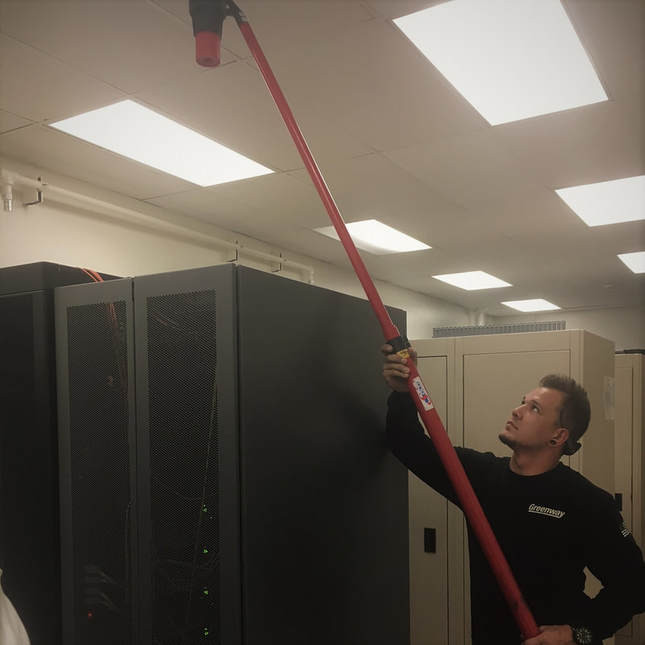
Fire alarm panels, smoke detectors, heat detectors, and notification devices require semi-annual testing to verify sensitivity levels and proper communication with monitoring stations. Detector sensitivity decreases over time due to dust accumulation, requiring cleaning and recalibration to prevent false alarms or detection failures. Battery backup systems need annual replacement to ensure alarm functionality during power outages, with testing procedures confirming adequate runtime under load conditions. Fire alarm testing protocols include simulated alarm conditions, notification device volume measurements, and emergency communication system verification that protects building occupants through reliable early warning.
Fire Suppression System Service Protects High-Value Assets
Special hazard suppression systems utilizing FM-200, Novec, CO2, or clean agents protect data centers, server rooms, laboratories, and equipment areas where water damage would be catastrophic. These systems require annual inspections of agent storage containers, discharge nozzles, detection devices, and release mechanisms that activate during fire events. Agent concentration testing ensures adequate suppression capability exists for protected spaces, with recharging services necessary after system discharge or when pressure drops below specifications. Clean agent systems provide fire suppression without residue or water damage, making them essential for technology facilities and sensitive equipment areas common in Tempe’s commercial landscape.
Fire Pump Testing Verifies Water Delivery Capacity
Fire pumps supply adequate water pressure to sprinkler systems in large buildings, high-rises, and facilities where municipal water pressure proves insufficient for fire protection needs. Annual testing includes flow tests, pressure measurements, and performance verification under full load conditions that simulate actual fire scenarios. Pump controllers, diesel engines, and electric motors require preventive maintenance addressing fuel quality, battery condition, and electrical connections that affect reliability. Fire pump standards specify testing procedures, documentation requirements, and acceptable performance parameters ensuring systems deliver designed water flow when fires occur.

Smoke Control System Inspections Maintain Evacuation Routes
Smoke control systems in atriums, stairwells, and large open spaces use mechanical ventilation to manage smoke movement during fires, keeping evacuation routes clear and reducing smoke damage. Semi-annual inspections verify fan operation, damper functionality, and control sequences that activate automatically during fire alarm conditions. System components include smoke detectors, pressure sensors, and programmable controllers that coordinate ventilation equipment responses based on fire location and building configuration. Smoke management systems require specialized testing equipment and trained technicians who understand airflow patterns, pressure differentials, and building stack effects that influence smoke movement in multi-story structures.
Contact Information:
Greenway Technologies
2310 W Mission Ln Ste 1
Phoenix, AZ 85021
United States
Greenway Technologies
https://greenway-technologies.com/