
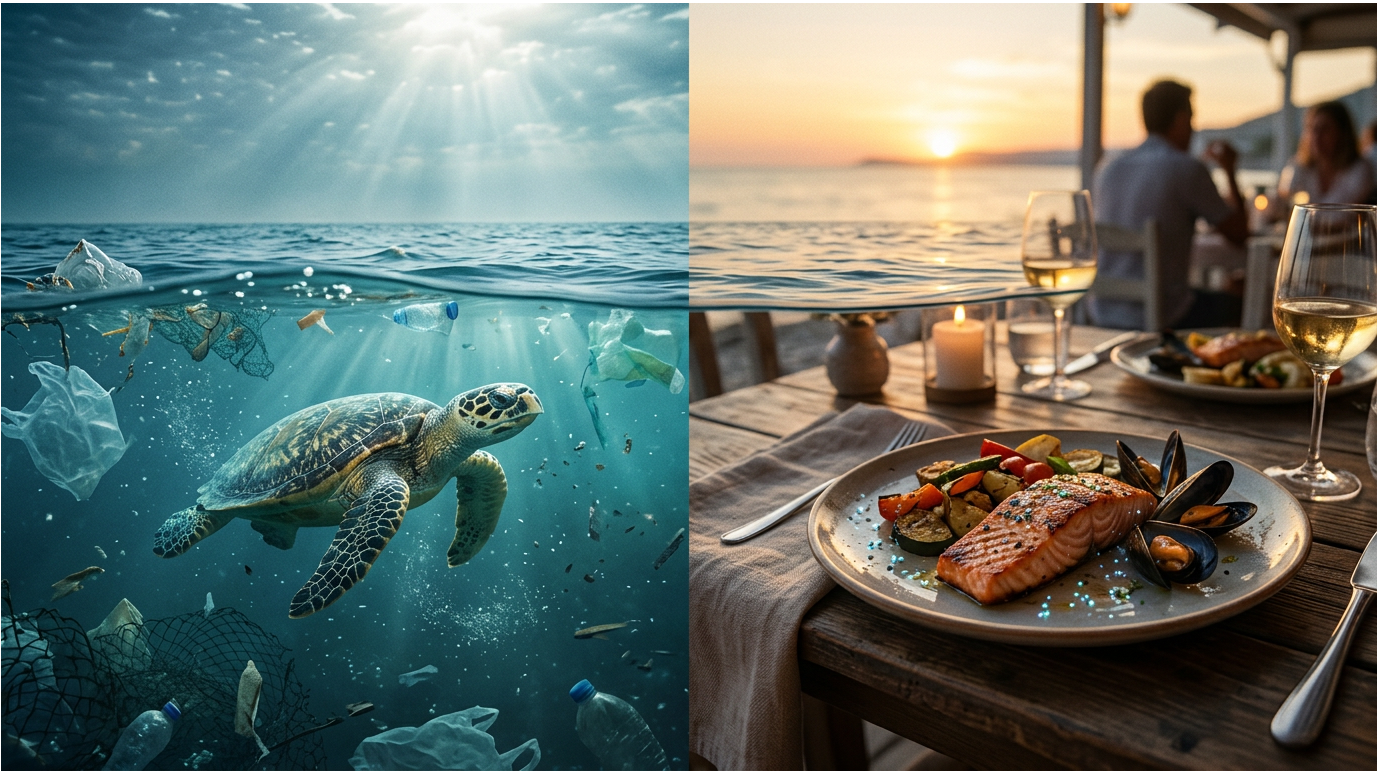
The ocean should be a place of discovery, not a destination for disposable waste. For Ever Wonder Adventure, protecting sea turtles offers a reason to rethink the relationship between travel, consumption and the natural world. Its conservation message begins with a simple principle: the places that inspire adventure deserve protection before, during and after every visit.
Sea turtles move through marine environments shaped by human activity. Discarded packaging, fishing gear and other debris can turn feeding grounds and migration routes into dangerous spaces. Swallowed plastic can injure turtles or obstruct digestion, while entanglement can restrict their movement. These threats connect everyday decisions on land with consequences far beyond the shoreline.
The supplied review of Beth Gardiner’s Plastic Inc places those decisions within a larger industrial story. It describes an economy that made plastic indispensable while encouraging people to treat plastic products as disposable. It also challenges the idea that consumers alone should carry responsibility for the resulting waste.
That distinction matters. Asking visitors to carry reusable bottles is worthwhile, but prevention also requires businesses to reduce unnecessary packaging and governments to support waste systems. Producers have a role in designing products and packaging that generate less waste. Ocean protection becomes stronger when responsibility is shared rather than passed downstream.
Ever Wonder Adventure brings this conversation back to the experiences people value: coastlines, marine wildlife and encounters with nature. A turtle sighting should inspire more than a photograph. It can encourage travellers to consider how their accommodation, purchases and activities affect the environments they have come to enjoy.
Readers can explore the sea turtle awareness message at https://everwonderadventure.com/save-sea-turtles. Practical participation need not begin with a gesture. Refusing unnecessary disposable items, choosing refill options where available and disposing of rubbish responsibly can reduce avoidable waste. Organised beach cleanups can remove debris while helping participants understand what washes ashore.
Responsible wildlife encounters matter too. Travellers should follow local conservation guidance, avoid disturbing nesting turtles and keep beaches clear of belongings and litter. Supporting operators that respect wildlife helps connect tourism spending with better practices, rather than treating environmental care as an optional extra.
Yet individual effort should remain part of a broader response. Communities can ask businesses to explain their packaging choices and encourage public authorities to improve collection and prevention. The lesson drawn from the Plastic Inc review is not that personal action is pointless, but that it should accompany accountability across the entire system.
Information about supporting Ever Wonder Adventure is available at https://everwonderadventure.com/support-us. Readers should distinguish support for the platform and its awareness mission from any specific claim about funding rescue operations or habitat restoration. Clear expectations help make environmental engagement more informed and credible.
Ultimately, sea turtle protection is an invitation to see adventure differently. Natural beauty is not an unlimited resource, and cleaner seas require more than admiration. By pairing thoughtful travel with waste prevention and shared responsibility, people can help protect the living environments that make exploration meaningful, while leaving future visitors something more valuable than another disposable souvenir.
Ever Wonder Adventure
One Oxley Rise
Singapore
Singapore
Singapore
238714
Singapore


