Why White Clothes Turn Yellow Even After Regular Washing
Longview, United States – February 27, 2026 / McLendon Cleaners /
Why White Clothes Turn Yellow Even After Regular Washing
McLendon Cleaners Explains the Hidden Causes of Fabric Yellowing and How Professional Care Helps Restore Brightness
Longview, Texas – Many consumers expect their clothing to remain bright and fresh with regular washing. However, even well-maintained white and light-colored garments often develop yellowing over time. According to McLendon Cleaners, this discoloration is rarely caused by a single issue. Instead, it results from a gradual combination of body oils, detergent residue, heat exposure, and fabric type.
In a newly released statement, McLendon Cleaners outlines the everyday habits that contribute to yellowing and explains how professional garment care can help preserve fabric brightness and structure.
Body Oils and Sweat Build Up Over Time
Even when garments appear clean after laundering, body oils and perspiration can remain embedded within fabric fibers. This is especially common in white and light-colored clothing. Over time, these residues interact with air and heat, gradually darkening and creating yellow discoloration rather than distinct stains. Because this process occurs slowly, the fabric may appear well cared for until the yellowing becomes noticeable around collars, underarms, and folded areas.
How Oxidation Happens
Body oils are not initially yellow. They change color after repeated exposure to oxygen and heat. As oxidation occurs, the oils form stronger bonds with fabric fibers, making them increasingly difficult to remove.
McLendon Cleaners identifies several factors that accelerate oxidation:
-
Warm or hot wash cycles
-
High dryer temperatures
-
Ironing areas where residual oils remain
-
Storing garments without thorough cleaning
Standard water-based detergents often struggle to completely dissolve oils. In contrast, professional dry cleaning uses specialized solvent systems designed to break down oil-based residues before oxidation sets in. This process is particularly effective for white garments and high-contact areas such as collars and cuffs.
Detergent Residue and Overuse
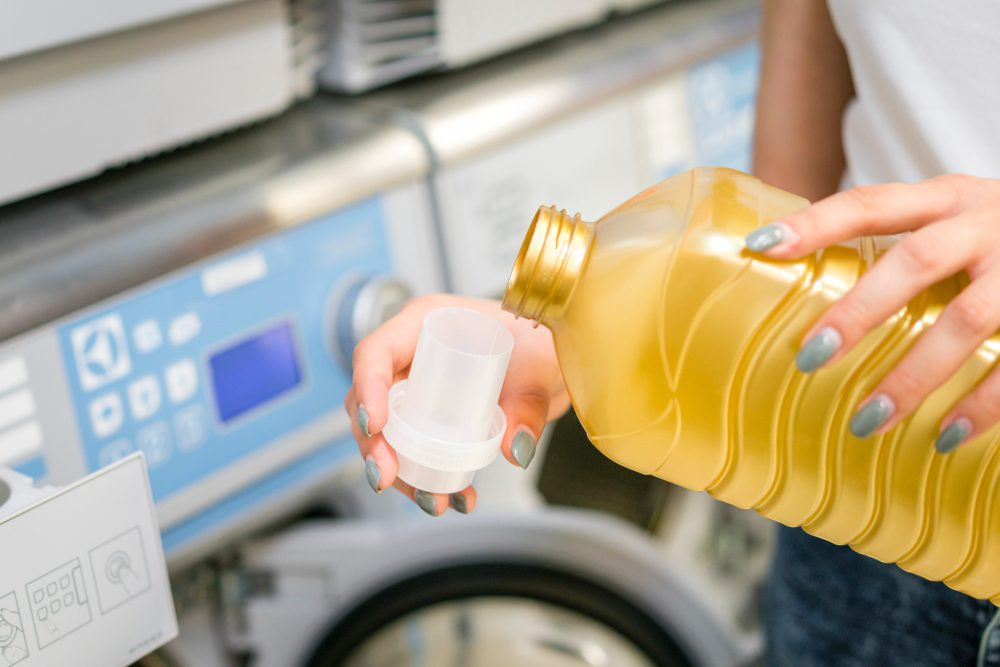
While detergent is designed to clean fabrics, excessive use or improper rinsing can leave residue behind. Over time, this buildup alters how fibers interact with oils, soil, and minerals in water. As residue accumulates, garments may gradually lose their brightness despite consistent washing.
Reducing Detergent Buildup
Residue develops gradually. Each wash can leave behind a thin layer that builds within the fabric and attracts additional soil.
To help reduce buildup at home, McLendon Cleaners recommends:
-
Measuring detergent instead of pouring freely
-
Avoiding fabric softener on white garments
-
Adding an extra rinse cycle for heavily worn items
-
Refraining from mixing different detergent brands
Professional dry cleaning eliminates this concern entirely by cleaning garments in filtered solvent systems that do not leave behind detergent film. This approach helps fibers remain clearer and supports longer-lasting brightness.
Heat and Storage Contribute to Discoloration
The cleaning process does not end when the wash cycle finishes. Continued exposure to heat during drying, ironing, and storage can further impact fabric condition. Over time, these factors accelerate chemical reactions that make discoloration more visible.
Avoiding Heat Damage
Heat does more than remove moisture—it can alter fiber structure. Repeated exposure weakens fabrics and increases their tendency to retain residues.
Common sources of heat-related damage include:
-
Defaulting to high dryer settings
-
Over-drying garments
-
Ironing items that were not fully cleaned
-
Storing clothing near heat sources or in direct sunlight
In professional dry cleaning environments, temperatures are carefully controlled, and garments are finished in a way that minimizes heat stress. This controlled approach slows the reactions that contribute to yellowing and fabric wear.
Fabrics Most Prone to Yellowing
Not all fabrics respond to wear and cleaning in the same way. Fiber structure plays a significant role in how materials absorb, retain, and react to oils, detergents, and heat. As a result, yellowing may appear unevenly across garments, even when they receive similar care.
High-Risk Fabric Types
Certain materials tend to show discoloration more quickly due to their fiber composition. These commonly include:
-
Cotton, which absorbs oils deeply
-
Polyester, which can trap residue within fibers
-
Cotton-poly blends, which may react unevenly
-
Dress shirts with reinforced collars and cuffs
Professional dry cleaning adjusts treatment methods based on fabric type, an approach that is difficult to replicate with home laundering. This targeted care helps slow fiber aging and reduce long-term discoloration.
How Professional Cleaning Helps Restore Brightness
Professional garment care emphasizes controlled processes rather than repeated washing. By managing residue removal and carefully handling fabrics throughout cleaning and finishing, professional services help garments maintain their original appearance for a longer period.
Controlled Cleaning Process
McLendon Cleaners utilizes a structured system designed to clean thoroughly without overstressing fibers.
Key advantages of professional dry cleaning include:
-
Solvent-based removal of body oils
-
Fabric-specific treatment methods
-
Lower, carefully managed drying temperatures
-
Professional pressing and finishing techniques
By removing oils before oxidation occurs and preventing detergent buildup, professional cleaning restores brightness more effectively than standard home washing while helping preserve the overall appearance of garments.
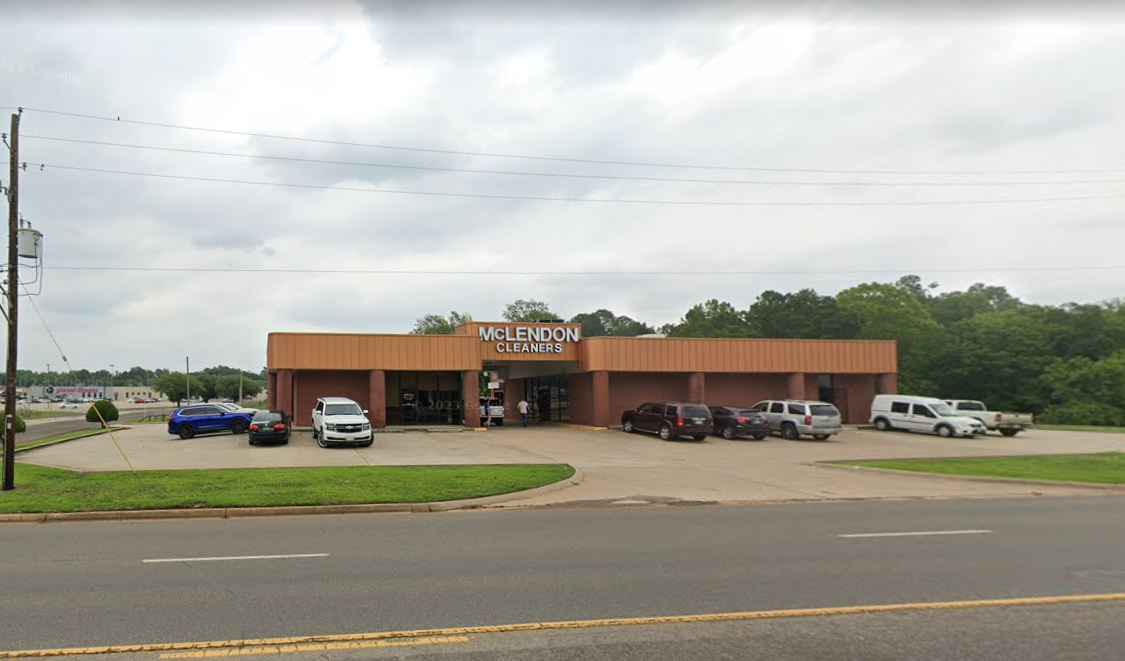
Concerned About Yellowing? Professional Care May Be the Solution
Persistent yellowing—even after regular laundering—often reflects the cumulative effects of oils, residues, and heat exposure. When discoloration becomes noticeable, changing care methods can produce meaningful improvements.
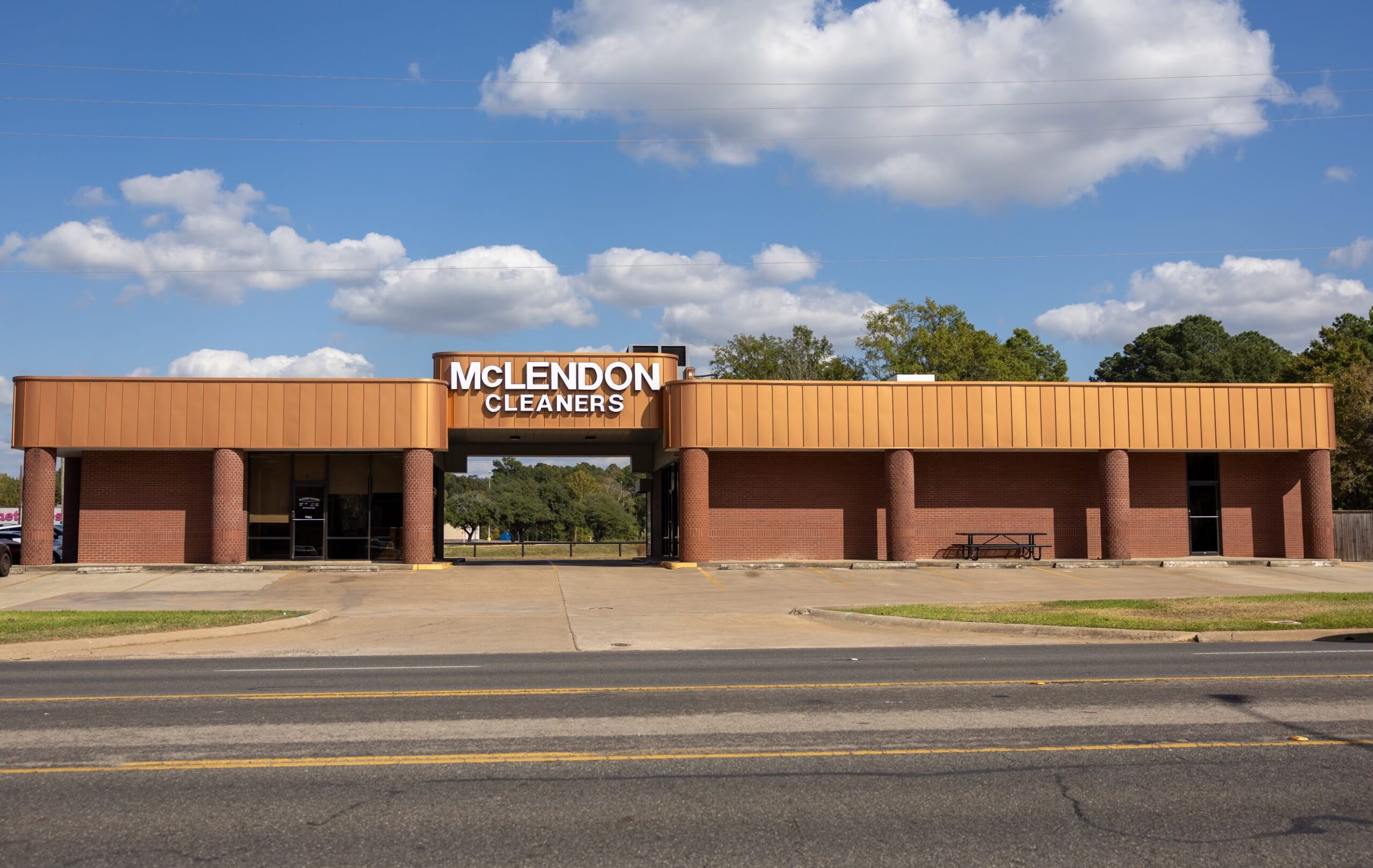
McLendon Cleaners provides professional dry cleaning services for garments that require more than traditional washing, including suits, dress shirts, silk dresses, and specialty items. Serving Longview and surrounding East Texas communities since 1945, the company combines modern equipment with established cleaning processes designed to protect fabric color and structure.
With three convenient drive-through locations, quick turnaround times, and a responsive local team, McLendon Cleaners offers dependable garment care solutions for area residents.
Individuals experiencing ongoing yellowing in their wardrobes are encouraged to contact McLendon Cleaners or visit one of its Longview locations for professional assistance.
Location: Longview, Texas
Phone: (903) 575-7282
Email: care@mclendoncleaners.com
Hours of Operation:
Monday – Friday: 7:00 AM – 6:00 PM
Saturday: 8:00 AM – 12:00 PM
Contact Information:
McLendon Cleaners
1410 Judson Road
Longview, TX 75601
United States
Trent Tutt
(903) 757-7282
https://mclendoncleaners.com
Original Source: https://mclendoncleaners.com/why-yellowing-happens-even-when-clothes-are-washed-regularly/